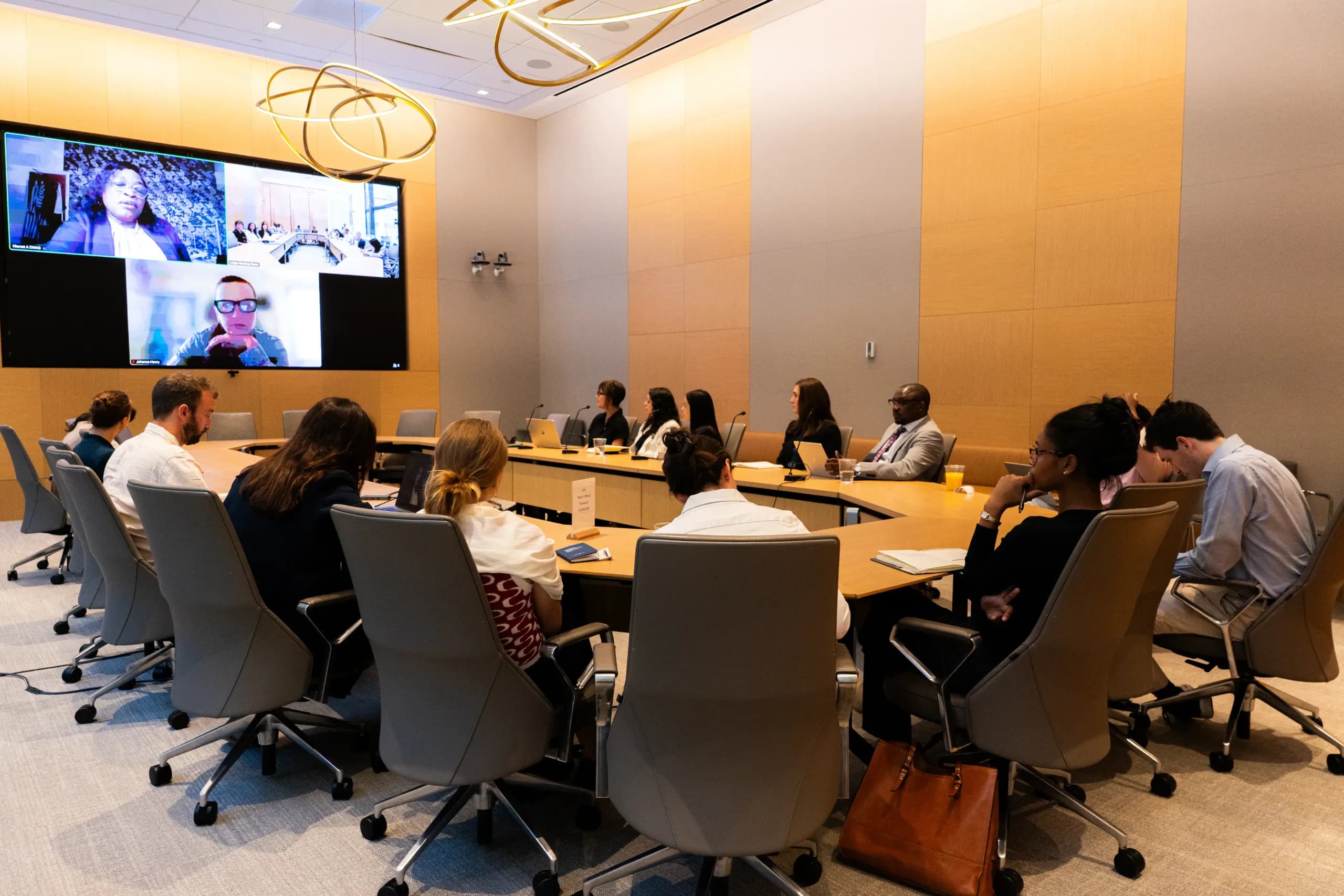
Your security. Your privacy. Your voice. Protected.
Reporting human rights violations often involves sensitive information that may put victims, witnesses and defenders at risk. Security is the foundation of HRSAT — not a feature.

Your data remains yours
Absolute ownership
We do not claim ownership of the data you upload. You retain control over what you share.
Minimal by design
Anonymous reporting is always available, and only an email is needed to receive your case reference.
Strict policy compliance
We follow GDPR and international human rights frameworks on data minimisation and consent.
Evidence that can't be silently altered
Every uploaded file is fingerprinted with a SHA-256 hash the moment it arrives. Any later change to the file would produce a different fingerprint — creating a verifiable trail of evidence, ready to be anchored to a blockchain ledger.
Data integrity
Cryptographic hashing ensures that once a record is submitted, it cannot be silently altered.
Secure records
A ledger-style audit trail gives a verifiable history for human rights documentation.
Protected storage
Evidence files are never publicly reachable — they're served only to authorised reviewers.
Only the right people see a case
Access to the HRSAT review dashboard requires verified accounts. Sessions are cryptographically signed and expire automatically.
- Signed, expiring sessions
- Per-case reviewer assignment
- Activity logging on every case
Encrypted transmission
All traffic is encrypted in transit with TLS. Evidence is stored outside the public web root.
Role-based access
Only administrators and the reviewer assigned to a case can open it.
Full audit trail
Every status change, assignment and note is recorded in a case timeline.
Threat protection
Signed sessions, file-type and size checks, and safe handling of untrusted uploads.
Staying safe while you report
- • Use a private browsing window and a device you trust.
- • Press Esc twice to leave this site instantly.
- • Use an email address that others cannot access.
- • Remove names of at-risk people if sharing them could endanger them.